
The Nature of Luck in Casino Games
Luck is an intrinsic element of casino games that significantly influences outcomes and player experiences. In games such as slots and roulette, participants have no control over the outcome, as it is determined entirely by chance. When players spin the reels of a slot machine or place a bet on a roulette number, they rely on luck to dictate their success or failure. For those seeking excitement and quick returns, casino instant withdrawal options can enhance the overall gaming experience. These games operate on random number generators, ensuring that each outcome is independent of previous spins, thereby reinforcing the element of luck in these environments.
The unpredictability of luck contributes to the thrill and excitement associated with casino games. Each round presents a new opportunity for players to win, fostering an atmosphere of anticipation and hope. This sense of potential can be captivating, drawing players back to the tables in search of that elusive jackpot. While some may view these games as mere luck-driven entertainment, the psychological impact of winning, even in small amounts, can create a powerful incentive to keep playing. This illustrates how luck not only influences outcomes but also shapes player behavior and engagement.
However, it is crucial to understand that luck also comes with inherent volatility. Players may experience streaks of good fortune or misfortune, leading to emotional highs and lows. Recognizing the role of luck encourages players to manage their expectations and gamble responsibly. They must acknowledge that while luck can favor them at times, it is not a guaranteed or controllable factor. Embracing the randomness of luck can lead to a healthier approach to gaming, emphasizing enjoyment rather than a singular focus on profit.
The Impact of Skill on Outcomes
In contrast to luck, skill plays a vital role in various casino games, particularly those based on strategy, like poker and blackjack. In these games, players can influence outcomes through their decisions and strategies, indicating a clear intersection between skill and chance. For instance, a skilled poker player can read opponents, employ bluffs, and make calculated bets, enabling them to maximize their winnings over time, despite the inherent luck involved in the draw of cards.
In blackjack, the application of skillful strategies, such as card counting or knowing when to hit or stand, can significantly enhance a player’s odds. Unlike luck-based games, where outcomes are purely random, skill can provide a competitive edge. Players who dedicate time to learning the rules, developing strategies, and practicing their skills often notice a remarkable difference in their success rates. This showcases how expertise can temper the element of luck and lead to consistent results.

Nevertheless, it is essential to recognize that skill does not entirely eliminate luck from the equation. Even the most experienced player can find themselves at the mercy of a bad hand or an unfortunate spin. However, the balance between skill and luck in these games means that while luck may dictate short-term outcomes, skill frequently prevails in the long run. This reality encourages players to refine their abilities, as a strong grasp of the game can lead to sustained winnings over time, illustrating the intricate relationship between luck and skill.
The Psychology Behind Luck and Skill
The interplay between luck and skill in casino games also carries significant psychological implications for players. Many individuals become captivated by the hope that luck can bring, often attributing wins to their own skill, even in games that are predominantly chance-driven. This phenomenon, known as the illusion of control, can lead players to believe they exert more influence over outcomes than they genuinely do. For example, in slot games, players might choose specific machines or believe they can predict when a jackpot will hit, despite the randomness that characterizes these games.
Conversely, players involved in skill-based games often experience a heightened sense of empowerment. Their ability to make strategic decisions and execute complex plays can foster a feeling of control, enhancing their enjoyment and commitment to the game. This psychological engagement not only leads players to appreciate the potential for financial gain but also the intellectual challenge and social interaction that such games offer. Understanding this psychological dynamic is essential for promoting responsible gambling.
Players must recognize the distinction between the feeling of control in skill-based games versus the stark randomness present in luck-driven games. Developing such awareness can help set realistic expectations and mitigate the potential for problem gambling, encouraging players to focus on the enjoyment aspect of gaming rather than solely pursuing monetary outcomes. Ultimately, understanding the psychological interplay between luck and skill can enhance the gaming experience and promote healthier gambling behaviors.
The Role of Casino Design and Game Mechanics
The design of casino games intricately weaves together elements of luck and skill, shaping how players engage with them. Game mechanics, including payout structures and rules, often dictate the extent to which luck or skill is emphasized. For instance, games like baccarat and roulette are designed to rely heavily on luck, while others like poker and blackjack allow for greater player input and mastery. Casinos understand this balance and tailor their offerings to attract a diverse clientele, catering to those seeking the thrill of random chance as well as those who prefer the challenge of applying skill.
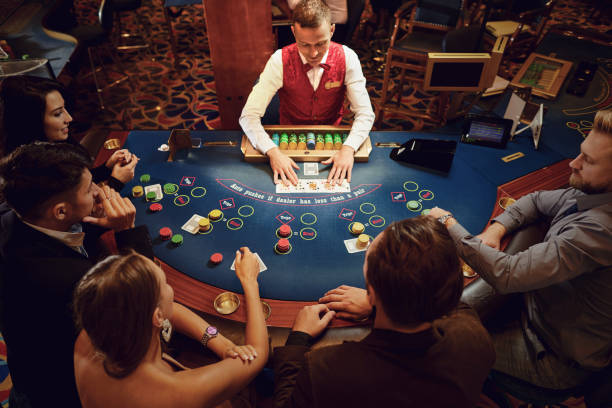
Moreover, the visual and auditory stimuli present in casino environments are specifically crafted to enhance both the experience of luck and the application of skill. Bright lights, engaging sounds, and immersive themes create a sensory-rich atmosphere that can amplify emotions and heighten anticipation. Players may feel a rush of adrenaline during lucky streaks, while moments requiring strategic thinking can evoke a sense of calm and focus. By understanding how these elements influence perception and behavior, players can navigate the gaming landscape more effectively, recognizing when they are engaging with luck-driven games versus those requiring skill.
Ultimately, the interplay between luck and skill in casino games creates a unique space for social interaction, entertainment, and intellectual challenge. Casinos leverage this dynamic to enhance player experiences, leading to ongoing evolution in game design and player engagement strategies. This recognition enables players to appreciate the distinctive experiences offered by different games, fostering a more nuanced understanding of their motivations and strategies. Responsible enjoyment of games can flourish in this environment, where players balance the allure of luck with the challenge of skill.
Conclusion: Navigating the World of Luck and Skill
In conclusion, understanding the role of luck and skill in casino games is essential for both enjoyment and responsible gaming. Appreciating the balance between these two forces enables players to navigate their experiences with a greater sense of awareness and understanding. By recognizing the games driven purely by chance and those that allow for the application of skill, players can make more informed decisions about where to invest their time and resources.
This comprehension extends to the psychological aspects of gaming, where the thrill of luck and the empowerment from skill create a unique gaming experience. Responsible gambling practices emerge when players embrace the inherent randomness of luck while simultaneously honing their skills in strategy-based games. This balance fosters a more enjoyable and sustainable approach to casino gaming, promoting a healthy relationship with the pursuit of entertainment and potential rewards.
Ultimately, navigating the intricate world of casino games requires a blend of appreciation for luck and a commitment to skill development. As players seek to engage with various games, they should approach their experiences with an open mind and a willingness to learn. This not only enhances their enjoyment but also cultivates a deeper connection with the fascinating dynamics of luck and skill that define the captivating universe of casino gaming.